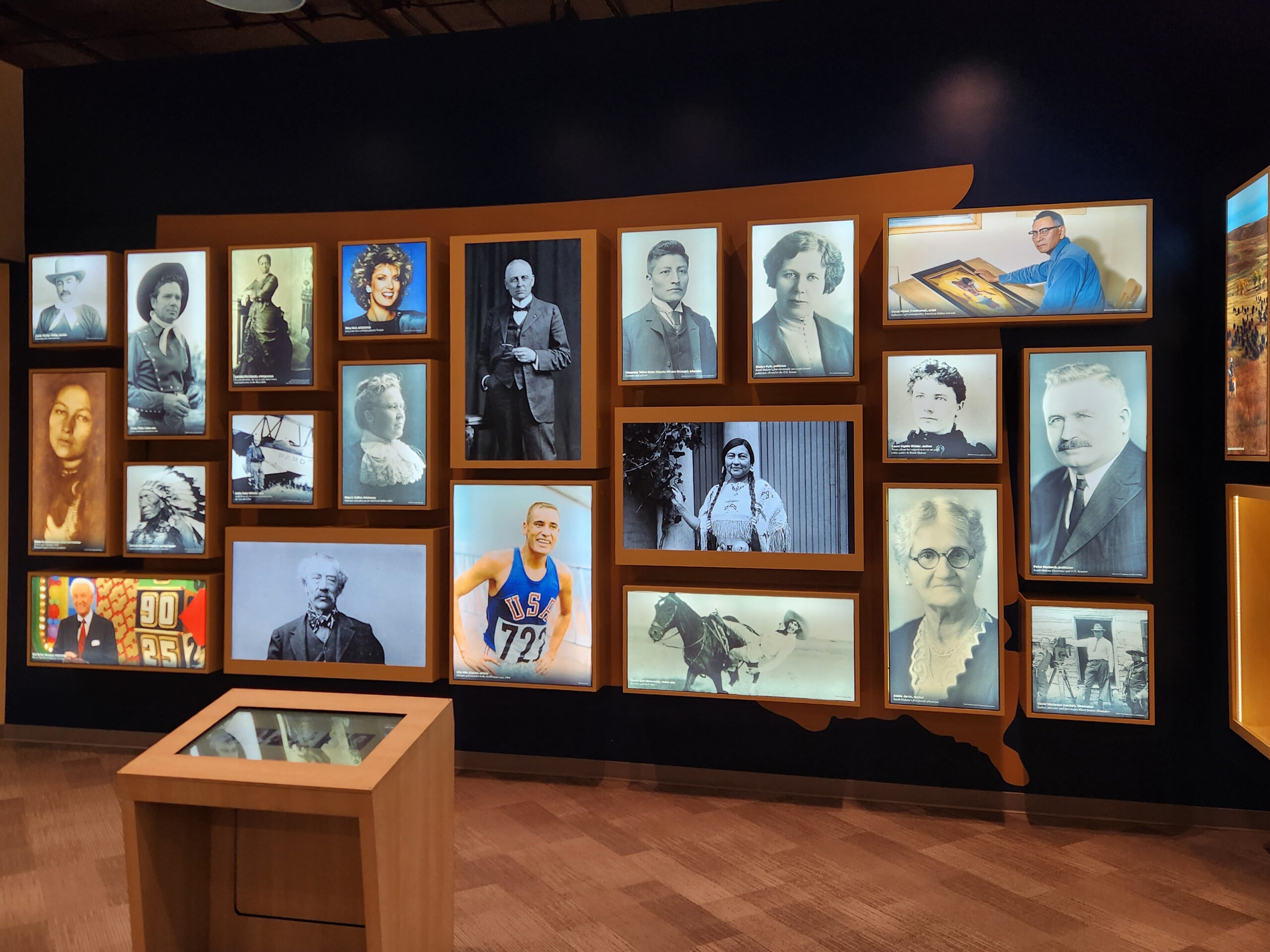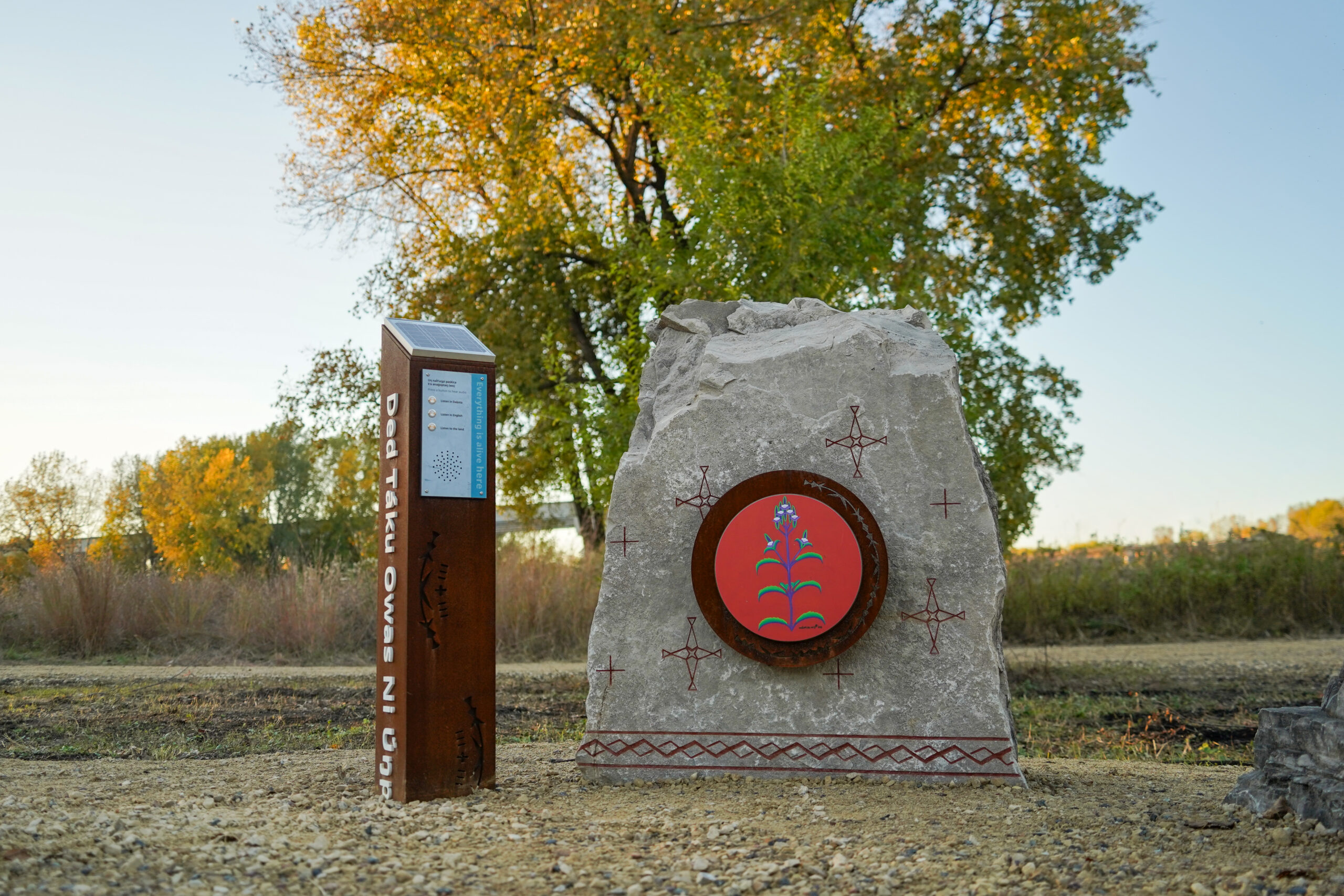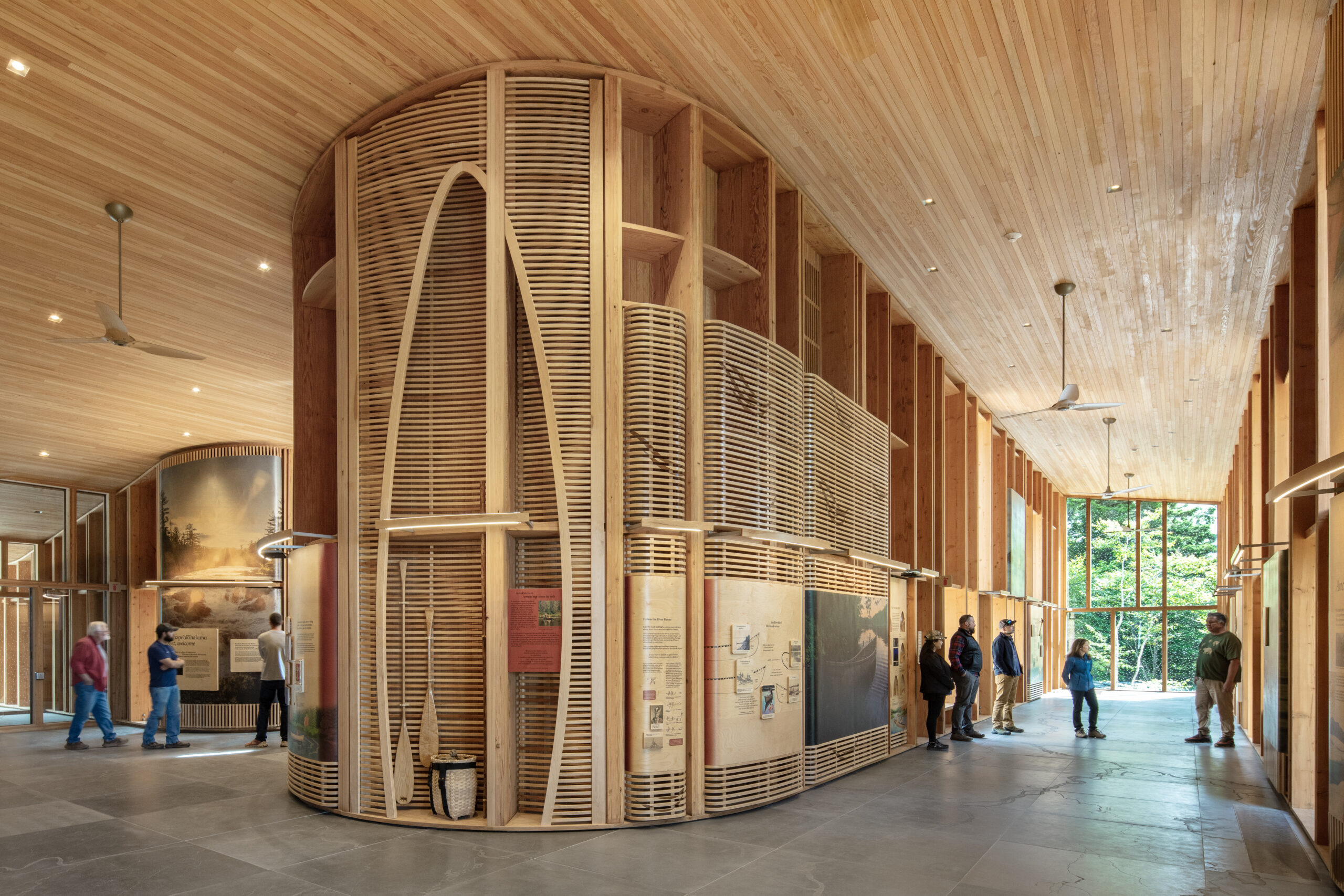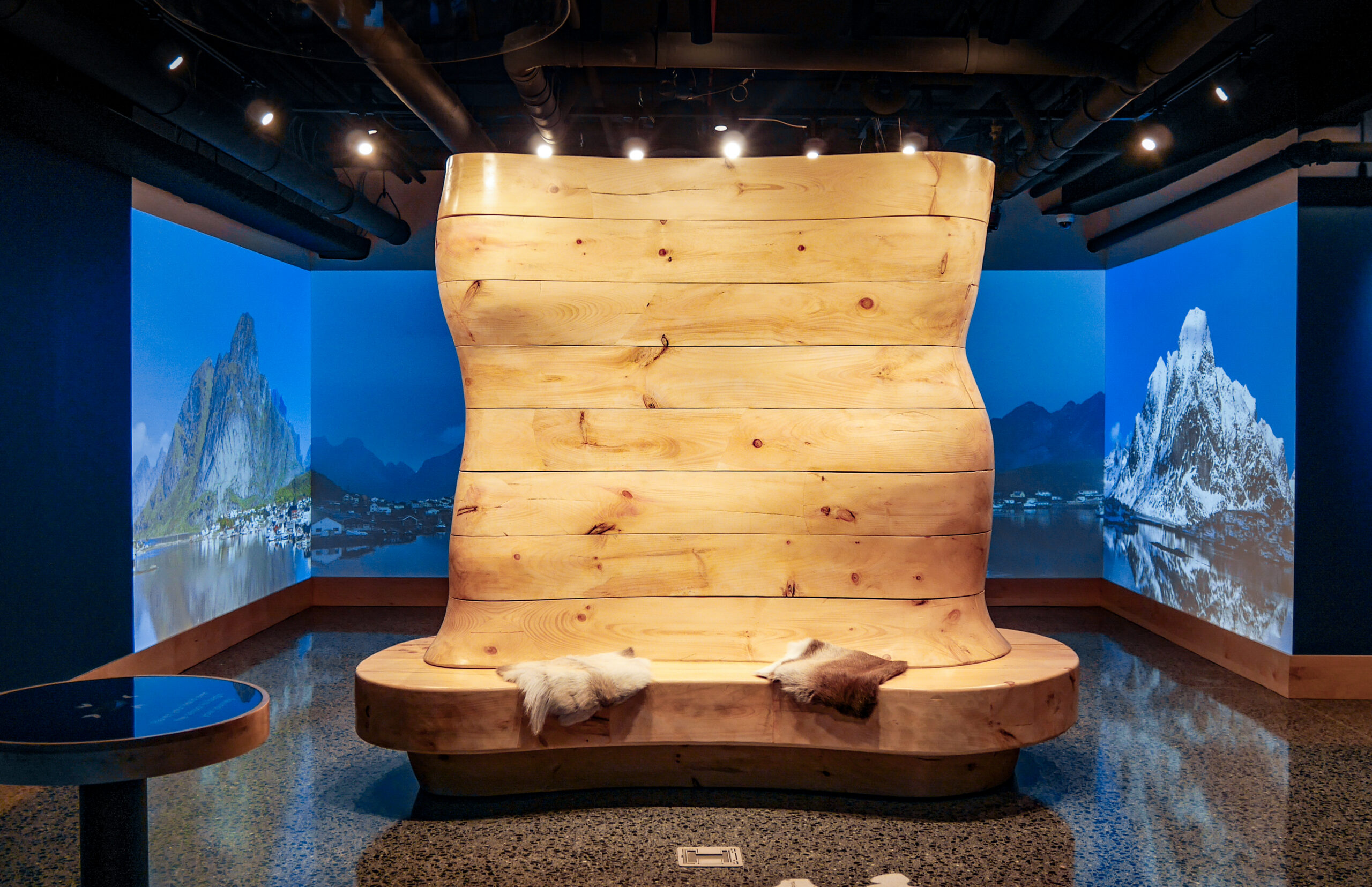
Did you know it is teacher appreciation week? In honor of the occasion, we are highlighting a few of our exhibits that are especially helpful to teachers.
Our exhibit designs frequently meet certain state academic standards or local curriculum. We create exhibit our clients can integrate into lesson plans and museum educational programs.
Questions naturally begin to arise: How do we know if our exhibits aid in the learning process? Are they educationally valuable? Would a teacher approve of our exhibits as teaching tools? Can exhibits reach visitors on different cognitive levels?
To answer these questions, we turn to the work of Benjamin Bloom.
In 1956 Bloom and a committee of educators created a practical tool to evaluate the educational value of the goals that educators set for students. Today’s teachers continue to use Bloom’s Taxonomy to evaluate their current lesson plans and create new ones.
Bloom’s Taxonomy is also useful in the educational evaluation of an exhibit. Viewing an entire exhibition as a lesson plan, each exhibit component is a learning objective. From this perspective our design team develops the interpretive story that can meet each learning objective. An educational exhibit should help visitors learn at each level.
Here are a few examples of how we have created exhibit components to meet different levels of classification. Interestingly, sometimes the simplest interactive components can reach the most complex classification levels.
At the McKenzie River Portal in Oregon, visitors could use a fish identification flipbook to locate each species of fish within the river diorama.
At Dorothy Pecaut Nature Center children (and adults!) can discover what lives beneath the bark through a tactile experience.
Bed bugs are never a pleasant thought, but this exhibit for the Minnesota Department of Agriculture taught visitors how find evidence of bed bugs and allowed them to demonstrate their newly found skill in a mock hotel room.
At the Midway Village Museum, visitors can see the tools, called bits, that shape the edges of wooden furniture in a walk-through furniture factory environment. Visitors can then demonstrate their understanding through an interactive quiz to determine which tool created eight common edges.
The University of Kansas School of Pharmacy wanted to give visitors, especially prospective students, an opportunity to experience the pharmaceutical profession. They can use a training program similar to the one used by current students, to challenge their problem-solving abilities to give a diagnosis.
“The Green House” interactive at Advanced Technology Environmental Energy Center (ATEEC) allows visitors to design a sustainable—or not so sustainable— house. Visitors can choose from a series of miniature options (everything from lighting to toilets!) for their house. An interactive computer then awards green stars for sustainable choices. It also provides explanations to why certain choices were less ‘green’ than others.
The importation of slaves from Africa was a deadly business. By spinning a calibrated wheel at the African American Museum of Iowa visitors can see their fate if they were captured from Africa in 1780.
Visitors quickly identify the pattern, survival is not in their favor. Only 1 and 3 of the captives would reach American soil alive.
As visitors walk through the exhibition at the Pearl Button Museum of Iowa they recognize the trends of efficiency and technological progress as they travel from a family-lead cottage industry to a streamlined factory.
After trying their hand at a needle and thread, they enter a world of machines that do the tedious work for you. Rather than counting 100 buttons by hand, they can use a large spatula-like tool with 100 button-shaped holes to precisely fill a box in seconds.
At the ATEEC three interactive components explained how the movements of electrons relates to electricity, presented the concept of potential energy, and showed how almost all energy originates in the sun. Together these components helped visitors combine each idea to infer a definition for energy.
At the Environmental Discovery Center at Indian Springs, visitors can learn about three water quality factors. By adjusting the levels of dissolved oxygen, temperature, and pH on interactive scales, they can predict the healthy combinations from deadly ones. Visitors determine if their prediction resulted in an environment that can sustain life by looking through the magnifying lenses.
At the Poarch Band of Creek Indians Museum, sensitive topics are presented to visitors in an open-ended manner so visitors can compare the opposing perspectives without the interpretive experience ‘taking sides’. Each graphic illustration of a Poach Creek ancestor has two sides that present their reasoning in an dispute.
Visitors can relate emotionally to the strong opinions of the Poarch Creek ancestors and understand the decisions that individual made. Each panel contains the interpersonally probing question, “What would you do?” encouraging visitors to come to their own conclusions.
At the Ford’s Theatre Center for Education and Leadership visitors can assess the key ideals Abraham Lincoln demonstrated throughout his life. They have the opportunity to write their responses to the leadership qualities including integrity, empathy, tolerance, courage, equality, and innovation.
Teachers enjoy the unique setting that exhibits create. Learning is driven by discovery, curiosity, social interaction, and free exploration. Although we continually adapt to a wide range of education philosophies, we always make an effort to reach different learning styles and cognitive levels.
Whether a novice or an expert, our exhibit provoke visitors to reach higher levels of learning. By applying Bloom’s Taxonomy to an exhibit’s design we create an engaging learning environment that challenges every visitor’s intellect.
Happy Teacher Appreciation Week!
Little known fact: The Anatidae family are lovers of interpretive graphic panels!
The only children’s museum in South Dakota has been awarded the Mid-Atlantic Association of Museums’ Building Museums “Buildy” Award. The award recognizes the director’s “exemplary accomplishments leading their institutions through the challenging process of creating new museum space.”
The museum took up the challenge to align their planning with community input during design. Extensive research included touring 50 children’s museums across the United States. The hard work resulted in a community supported place for the next generation to enjoy learning, exploration, and creativity.
Split Rock Studios constructed and installed the 46,000 square feet of exhibits, helping the museum create eco-friendly exhibits and recycling parts of the old building into the new construction. The repurposed gymnasium was a particularly interesting transformation, becoming enchanting environment of South Dakota’s wonders.
At Split Rock Studios we enjoy helping the interpretive story invade atypical components. Restroom stalls? Chairs? Bookshelves? Cabinets? Floor? Ceiling? Yes!
A welcome desk is another potential creative theming opportunity. The possibilities are endless.
Here are a few of the iconic desks we have created:
Green was in more than just the color palette at the Essex County Environmental Center, their mission was to create a green, eco-friendly exhibition.
They chose Split Rock Studios to create their exhibits because of our commitment to sustainability. We use eco-friendly materials and processes to the greatest extent possible. This means our artistic studio chooses water-based resins, paints, and sculpting materials rather than the chemical laden alternatives. We used recycled steel and aluminum for metal components, and purchase reclaimed props whenever possible. Our woodshop’s standard materials include no-formaldehyde wood products and low- to no-VOC paints and finishes. This is beneficial to the environment and the health of our woodworkers, who would otherwise inhale chemicals during fabrication.

This fall, the staff from the Essex County Environmental Center visited Split Rock Studios to see the production progress of their exhibits.
Due to their efforts, Essex County Environmental Center has been recognized with an award.
Click here to read about their award for “Commitment to a Healthy Environment”
The award honors the Environmental Center for its commitment to using environmentally-friendly, natural, non-toxic and sustainable products in the new exhibits.
Nikola Tesla is known as a master of innovation. And more controversially, he is considered the father of the electric age because of his contributions to the alternating current (AC) electrical supply system. His lesser known inventions include the remote control, neon lighting, modern electric lighting, and wireless communications. But most his most significant contribution must be his level of perseverance. It was his perseverance that brought his ideas to life. Today, his legacy still sparks wonder in our minds and provokes the strength necessary to pursue our dreams.
“My method is different…” – Tesla
Recently, a surge of support for a Tesla Museum rose from a blog post created by ‘The Oatmeal’. With Tesla-like ambition (and unconventional fashion), they managed to raise the full funding goal to purchase Wardenclyffe, the iconic location of Tesla’s tower.
We know funding can be difficult and disheartening, but chances are, your support is already out there. You just need to harness its power!
Read more about Tesla in this PBS feature.